57th OMM Talnotry: Race Director’s Report
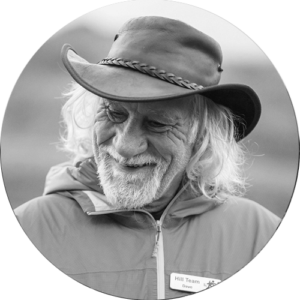
Dave Chapman

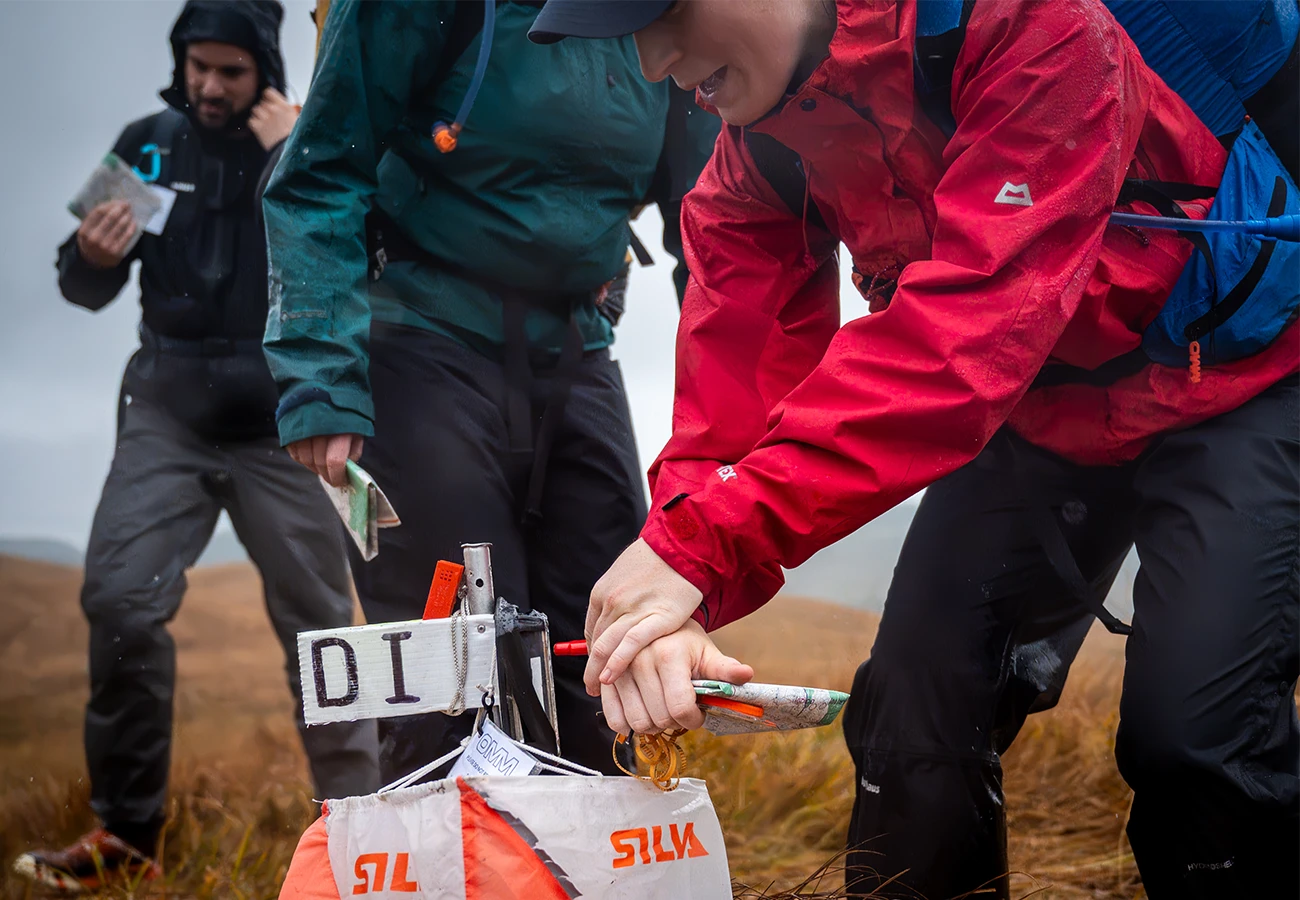
The 57th OMM brought challenging conditions and some difficult decisions. Thank you to everyone who took part for your patience, understanding and support as we adapted the event over the weekend.

Taking over from Graham

In January 2026, Race Director Graham Atkinson was suddenly very poorly, and immediately hospitalised. He realised that he would not be able to deliver the 2026 OMM and asked the team to step in. Having retired in 2024 I agreed to return to the role and Richard Oxlade took on the Controller role. Graham sadly passed away in April 2026.

Graham had already obtained permission from Forestry Land Scotland (FLS) for the use of the Galloway Hills including the Talnotry site as the event centre and Caldons as the overnight camp. However, when we looked at the space available at Talnotry we concluded that it wasn’t large enough so started looking for an alternative. In fact, this turned out a very good decision in retrospect as that site was flooded over the weekend of the OMM!

Studying the map, I identified that Auchenleck farm had a large flat grassy field, so Carrie (Event Director) and I called in at the farm in early June and met the farmer, George Ord, who was initially amazed by the idea but also very supportive. We had available an event centre! Given that this site was not too far from Talnotry the planners didn’t need to do a significant change to their courses. In fact, the start location probably improved things somewhat, particularly for the shorter courses.

If George was amazed by the idea of the event, he was blown away by the actuality. He was often to be seen around the EC, enjoying the sites of you all preparing for and then celebrating the achievement. He was also active on his tractor with vehicle movement on the field. We are immensely grateful to George.

Planning and Controlling

Graham had asked Graeme and James Ackland back in late 2005 to take on the planning role, and they had some good courses drafted, with input from Richard, by June, which is when the Hill Team always do a recce of the area.

For the Recce in early June, we spent 5 days walking the hills to check out the proposed controls sites from various perspectives such as Safety, Difficulty of Navigation, and map accuracy over the whole area. This resulted in around 30 significant updates to the map and a few suggestions to change control locations. One particularly noteworthy task is that there were two areas, near to the ON campsite, that had been felled and then prepared with a complex path network in preparation for replanting. Richard, walked every path to produce a detailed map of their courses since these would be important access routes to the ON camp. Harveys made all the changed we requested.

I’ll leave it to the Planners to report on their work, but suffice it to say that we had some good challenges for you so it’s unfortunate that you didn’t experience them in full.

Putting Controls Out

My Hill Team always put controls out Monday to Thursday before the event. The weather wasn’t great, although nothing like the weekend!

On one day a couple of us drove a long route round to the forest track on the east of the map and headed West. We descended a gentle slope through really rough terrain and got to the river. This is when we realised the river was about 5 feet deep and 10 feet wide. (this isn’t a river the competitors had to cross) We returned to the car and explored a new track we had spotted heading southeast hoping it would get us to the footbridge marked on the map. It took us over a new road bridge next to the footbridge and to the start of a large, felled area. The slog through the felled area and then across tussocks took us a while before we eventually reached the first of our controls.  After a circuit putting out 6 controls, we had the return journey via tussocks and felling. I wish we had walked in from the West!

The Weekend

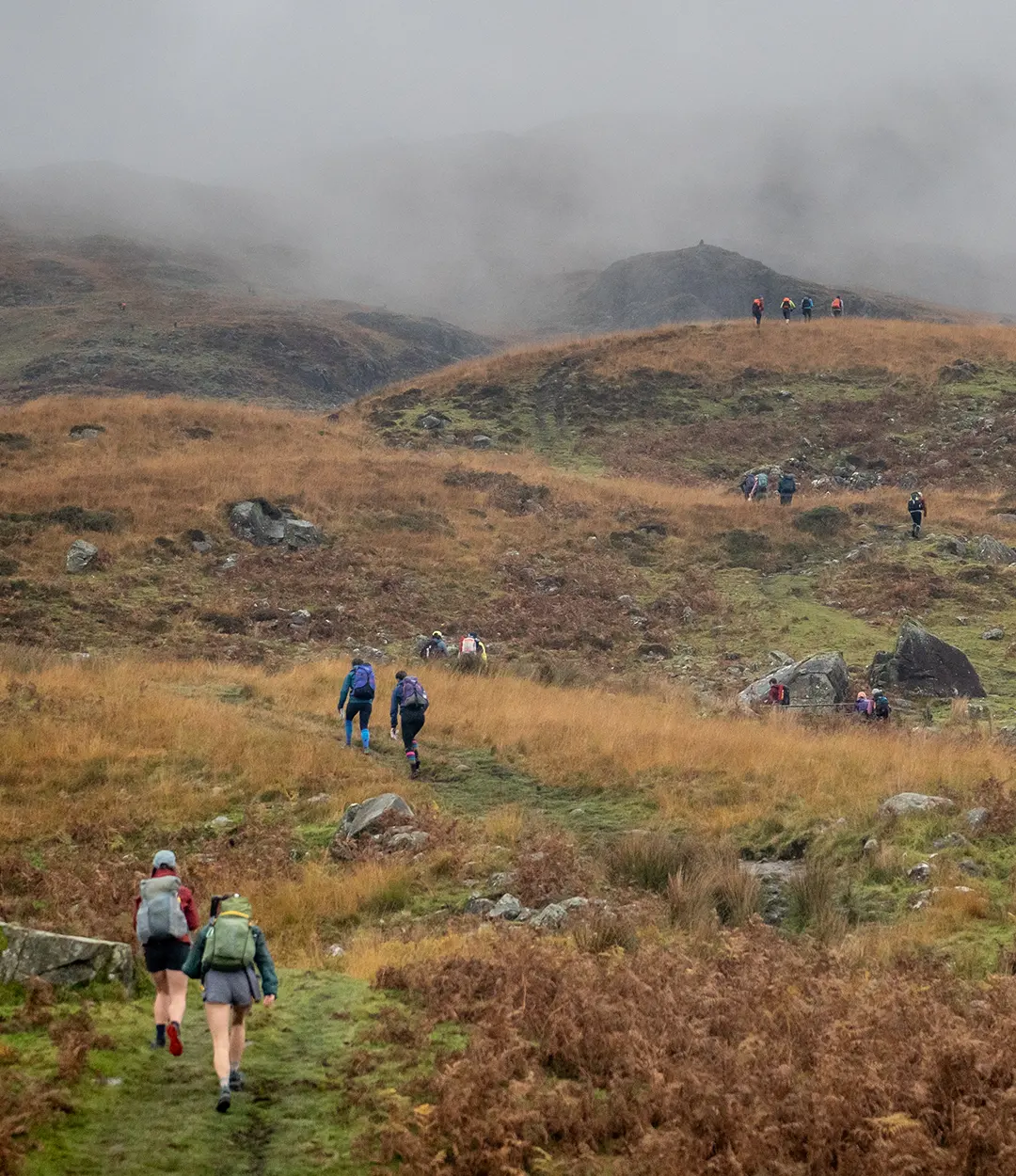
On Friday night we had a very important decision to make. Was it safe for the event to take place? At that time Storm Boelo was forecast to hit us around midday on Saturday, potentially getting worse on Sunday. We continued assessing the forecast and conditions throughout the weekend.

We concluded that, provided no significant change in the forecast overnight, that we would go ahead, but on shortened courses, and confirmed this decision on Saturday morning.

The key decision factors for us were that we would be able to safely support the event, as our communication infrastructure at both the event centre and the overnight camp looked secure. Enhanced safety briefings, the mandatory kit requirements and live GPS tracking formed part of our safety measures. Tracking helped the event team monitor competitors’ progress, supported by our communications infrastructure at the Event Centre and overnight camp.

I have been either a competitor, a Planner, or the Race Director in almost every OMM since 1977 and we had a first this year – an aggressive cow! Ahead of the event, cattle had been moved out of the fenced section used by the courses. However, one was missed and an incident involving a cow near Saturday’s start and ford resulted in two competitors being knocked over who were assessed by our medic on stand-by at the start. Our team responded and contacted the farmer, who moved the animal safely away from the crossing.

I am sorry for the incident and its impact on those involved, particularly the competitors who were knocked over. We adjusted the times of competitors who reported being delayed, and I would like to thank the event team and the farmer for their assistance.

Unfortunately, one competitor fell whilst out on course, and broke their leg. This resulted in a mountain rescue call out and subsequently a long stretcher journey, assisted by some of our team. We give special thanks to the competitors who stopped to assist, giving primary care and who gave up their own race, and to the Galloway Mountain Rescue Team.

On Saturday night we had another important decision to make and concluded that the forecast of 90 mile per hour winds on the tops with a windchill to -15 made it unsafe to continue. We then had to plan a safe route to get everyone back from the overnight camp.

We devised a route east to Loch Dee and then south via the coll east of Bennan Hill. As it was important to ensure that everybody followed this route, we decided to set this as a course with 7 controls to visit. Those of you who were at the ON camp know that everybody having to copy this route down onto their map created a lengthy queue, and I can only apologise for that. Thank you for your patience while we made these arrangements.

Bringing Controls In

As in previous years I recruited a small army of local runners who were prepared to go out on Sunday afternoon to collect in controls. Clearly, we couldn’t send them out after cancelling the courses for the runners, so we were left with 96 controls still on the hills. The bulk were brought in on Monday by some of the Hill team and a number of others.

The last 3 routes for control collecting were taken by some of those who had volunteered for collecting on Sunday, and I am particularly grateful to them

And Finally….

Thank you to everyone who took part in this year’s OMM. I know that shortening Saturday’s linear courses and replacing Sunday’s planned competition meant that this was a different weekend from the one you had prepared for. I share the disappointment that you could not experience the courses in full, and appreciate the understanding and patience you showed as we made those changes.

I am hugely grateful to our OMM hill team, who freely give their time and expertise each year, and to the planners and everyone who helped deliver the event. Thank you, too, to the competitors who looked out for one another throughout the weekend.

I am again stepping down as Race Director and handing over to Kenny Leitch, who has already started work on next year’s event in South Wales. I hope to see you there, when I will be returning as a member of the Hill Team.

ENTER THE 58TH OMM HERE

The 57th OMM brought challenging conditions and some difficult decisions. Thank you to everyone who took part for your patience, understanding and support as we adapted the event over the weekend.

Taking over from Graham

In January 2026, Race Director Graham Atkinson was suddenly very poorly, and immediately hospitalised. He realised that he would not be able to deliver the 2026 OMM and asked the team to step in. Having retired in 2024 I agreed to return to the role and Richard Oxlade took on the Controller role. Graham sadly passed away in April 2026.

Graham had already obtained permission from Forestry Land Scotland (FLS) for the use of the Galloway Hills including the Talnotry site as the event centre and Caldons as the overnight camp. However, when we looked at the space available at Talnotry we concluded that it wasn’t large enough so started looking for an alternative. In fact, this turned out a very good decision in retrospect as that site was flooded over the weekend of the OMM!

Studying the map, I identified that Auchenleck farm had a large flat grassy field, so Carrie (Event Director) and I called in at the farm in early June and met the farmer, George Ord, who was initially amazed by the idea but also very supportive. We had available an event centre! Given that this site was not too far from Talnotry the planners didn’t need to do a significant change to their courses. In fact, the start location probably improved things somewhat, particularly for the shorter courses.

If George was amazed by the idea of the event, he was blown away by the actuality. He was often to be seen around the EC, enjoying the sites of you all preparing for and then celebrating the achievement. He was also active on his tractor with vehicle movement on the field. We are immensely grateful to George.

Planning and Controlling

Graham had asked Graeme and James Ackland back in late 2005 to take on the planning role, and they had some good courses drafted, with input from Richard, by June, which is when the Hill Team always do a recce of the area.

For the Recce in early June, we spent 5 days walking the hills to check out the proposed controls sites from various perspectives such as Safety, Difficulty of Navigation, and map accuracy over the whole area. This resulted in around 30 significant updates to the map and a few suggestions to change control locations. One particularly noteworthy task is that there were two areas, near to the ON campsite, that had been felled and then prepared with a complex path network in preparation for replanting. Richard, walked every path to produce a detailed map of their courses since these would be important access routes to the ON camp. Harveys made all the changed we requested.

I’ll leave it to the Planners to report on their work, but suffice it to say that we had some good challenges for you so it’s unfortunate that you didn’t experience them in full.

Putting Controls Out

My Hill Team always put controls out Monday to Thursday before the event. The weather wasn’t great, although nothing like the weekend!

On one day a couple of us drove a long route round to the forest track on the east of the map and headed West. We descended a gentle slope through really rough terrain and got to the river. This is when we realised the river was about 5 feet deep and 10 feet wide. (this isn’t a river the competitors had to cross) We returned to the car and explored a new track we had spotted heading southeast hoping it would get us to the footbridge marked on the map. It took us over a new road bridge next to the footbridge and to the start of a large, felled area. The slog through the felled area and then across tussocks took us a while before we eventually reached the first of our controls.  After a circuit putting out 6 controls, we had the return journey via tussocks and felling. I wish we had walked in from the West!

The Weekend

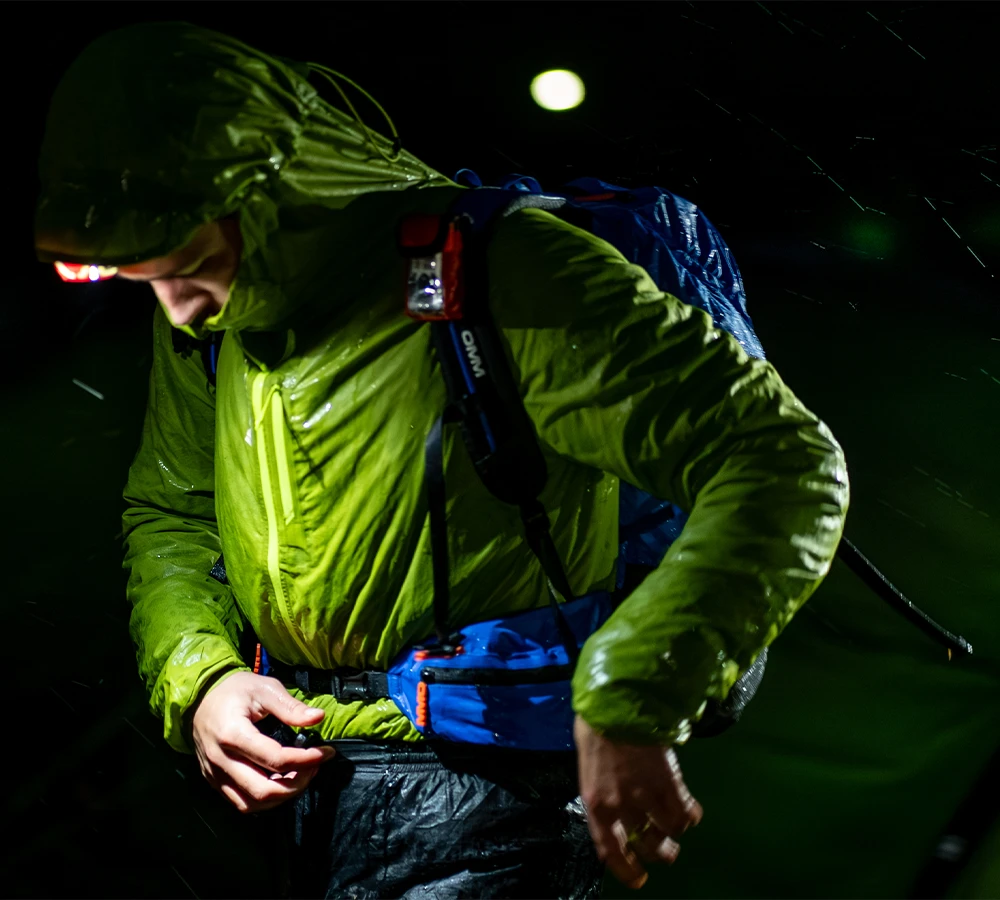
On Friday night we had a very important decision to make. Was it safe for the event to take place? At that time Storm Boelo was forecast to hit us around midday on Saturday, potentially getting worse on Sunday. We continued assessing the forecast and conditions throughout the weekend.

We concluded that, provided no significant change in the forecast overnight, that we would go ahead, but on shortened courses, and confirmed this decision on Saturday morning.

The key decision factors for us were that we would be able to safely support the event, as our communication infrastructure at both the event centre and the overnight camp looked secure. Enhanced safety briefings, the mandatory kit requirements and live GPS tracking formed part of our safety measures. Tracking helped the event team monitor competitors’ progress, supported by our communications infrastructure at the Event Centre and overnight camp.

I have been either a competitor, a Planner, or the Race Director in almost every OMM since 1977 and we had a first this year – an aggressive cow! Ahead of the event, cattle had been moved out of the fenced section used by the courses. However, one was missed and an incident involving a cow near Saturday’s start and ford resulted in two competitors being knocked over who were assessed by our medic on stand-by at the start. Our team responded and contacted the farmer, who moved the animal safely away from the crossing.

I am sorry for the incident and its impact on those involved, particularly the competitors who were knocked over. We adjusted the times of competitors who reported being delayed, and I would like to thank the event team and the farmer for their assistance.

Unfortunately, one competitor fell whilst out on course, and broke their leg. This resulted in a mountain rescue call out and subsequently a long stretcher journey, assisted by some of our team. We give special thanks to the competitors who stopped to assist, giving primary care and who gave up their own race, and to the Galloway Mountain Rescue Team.

On Saturday night we had another important decision to make and concluded that the forecast of 90 mile per hour winds on the tops with a windchill to -15 made it unsafe to continue. We then had to plan a safe route to get everyone back from the overnight camp.

We devised a route east to Loch Dee and then south via the coll east of Bennan Hill. As it was important to ensure that everybody followed this route, we decided to set this as a course with 7 controls to visit. Those of you who were at the ON camp know that everybody having to copy this route down onto their map created a lengthy queue, and I can only apologise for that. Thank you for your patience while we made these arrangements.
Bringing Controls In

As in previous years I recruited a small army of local runners who were prepared to go out on Sunday afternoon to collect in controls. Clearly, we couldn’t send them out after cancelling the courses for the runners, so we were left with 96 controls still on the hills. The bulk were brought in on Monday by some of the Hill team and a number of others.

The last 3 routes for control collecting were taken by some of those who had volunteered for collecting on Sunday, and I am particularly grateful to them

And Finally….

Thank you to everyone who took part in this year’s OMM. I know that shortening Saturday’s linear courses and replacing Sunday’s planned competition meant that this was a different weekend from the one you had prepared for. I share the disappointment that you could not experience the courses in full, and appreciate the understanding and patience you showed as we made those changes.

I am hugely grateful to our OMM hill team, who freely give their time and expertise each year, and to the planners and everyone who helped deliver the event. Thank you, too, to the competitors who looked out for one another throughout the weekend.

I am again stepping down as Race Director and handing over to Kenny Leitch, who has already started work on next year’s event in South Wales. I hope to see you there, when I will be returning as a member of the Hill Team.

ENTER THE 58TH OMM HERE

Dave Chapman completed his first OMM (then KIMM) in 1977, going on to complete 26 of 28 started. Since then, Dave has been Race Director for 10 years, after serving his apprenticeship, making him a proud member of the OMM 40 Year Club. In his time on the Hill Team, he has negotiated some of the most challenging access agreements yet, allowing competitor's access to previously unexplored race territory.

If you have a story to tell, whether it’s from the OMM, another race or challenge or just how you use our kit, get in touch! Just pop an email to james@team-ark.com and who knows, you might just earn yourself some free kit!

More Like this

Into the world of Cross-Triathlons as a V60

Into the world of Cross-Triathlons as a V60

What does it take to win cross-triathlons as a V60? Determination, a healthy love of adventure and a solid pair of Fell shoes would be Kath’s answer. Kath Finn shares her experiences with X-triathlons including recently taking on the British Championships and the XTREME Gravel Xtri.

105 miles. 6,850m ascent. One big day out.

105 miles. 6,850m ascent. One big day out.

OMM athlete Sarah Gerrish takes on the formidable Lakeland 100. 105 miles with 6,850m ascent across the relentless hills and fells of the Lakes. From early niggles to sleep deprivation and forging on through the night, Sarah shares how she made it in 30 hours, 4 minutes and 18 seconds and what she packed to get her through.

Into the Storm: 83 Miles on the Skye Trail Ultra

Into the Storm: 83 Miles on the Skye Trail Ultra

OMM athlete Annie Garside takes on the 83-mile Skye Trail Ultra, battling 60 mph winds, driving rain, endless bog and a long night on the coast. From thoughts of quitting at Elgol to an unexpected friendship in the darkness, this is a story of resilience, shared suffering and reaching the finish line.